


Kelly Smith, Prenda CEO, on Microschooling & the Future of K-12 Learning
This week on “The Learning Curve,” Cara and Gerard are joined by Kelly Smith, founder and CEO of Prenda, a company that helps create flexible learning environments known as microschools. Often described as the “reinvention of the one-room school house,” microschools combine homeschooling, online education, smaller class sizes, mixed age-level groupings, flipped classrooms, and personalized learning. Kelly shares what inspired him to launch Prenda in 2018, and how the COVID-19 pandemic has catapulted microschools to fame. They discuss how Prenda ensures teacher preparation in core academic areas, holds teachers accountable for student outcomes, and works to bridge achievement gaps.
Stories of the Week: A new report from Eric Hanushek and Ludger Woessmann projects that school closures could cost the U.S. economy over $14.2 trillion by the end of the century. Idaho Gov. Brad Little announced $150 million in funding to public schools and parents for COVID-19 relief, including direct payments to families for educational materials, devices, and services. In The Atlantic, scholars discuss the pros and cons of families’ increasing propensity to consider alternatives to public schools, as a result of COVID.
Interview Guest
 Kelly Smith is the Founder and CEO of Prenda (prendaschool.com), an education company that helps people run microschools out of their homes. He has been obsessed with learning and building since childhood – from a neighborhood baseball card business to a rap album to a line of cleaning products to high energy laser physics. After earning a master’s degree in nuclear fusion from MIT, Kelly served in engineering and marketing roles at various technology companies, before selling a small software business in clean energy. He started volunteering with an after-school code club at the local public library, helping kids learn computer programming, and he was so excited about the power of self-learning that he started a micro-school around his kitchen table in January 2018. Kelly lives in Mesa, Arizona, with his wife and four children.
*NEW DAY, NEW TIME!*
Season Two of “The Learning Curve” airs on Wednesdays at 12 pm ET each week.
The next episode will air on Wednesday, September 23nd, 2020 at 12 pm ET with guest Jung Chang, author of the best-selling books Wild Swans: Three Daughters of China and Mao: The Unknown Story.
Tweet of the Week:
Wha?? One of the largest school districts in the country is justifying keeping bus drivers on the payroll by…having them drive empty buses along their usual routes. @hannah_natanson: https://t.co/aspSzU9yvZ pic.twitter.com/qfFdII2rcu
— Alec MacGillis (@AlecMacGillis) September 11, 2020
News Links:
New Report Estimates School Closures’ Long-Term Impact on the U.S. Economy at More Than $14 Trillion
Gov. Little announces nearly $150 million to be directed to Idaho schools, students and families
The Atlantic: The Pandemic Has Parents Fleeing From Schools—Maybe Forever
https://www.theatlantic.com/politics/archive/2020/09/homschooling-boom-pandemic/616303/
Get Updates on Our Education Research
Related Posts
 https://pioneerinstitute.org/wp-content/uploads/TLC-Norrell-02072024.png
490
490
Editorial Staff
https://pioneerinstitute.org/wp-content/uploads/logo_440x96.png
Editorial Staff2024-02-07 12:00:382024-02-07 12:00:38U-TN’s Robert Norrell on Booker T. Washington & Voc-Tech
https://pioneerinstitute.org/wp-content/uploads/TLC-Norrell-02072024.png
490
490
Editorial Staff
https://pioneerinstitute.org/wp-content/uploads/logo_440x96.png
Editorial Staff2024-02-07 12:00:382024-02-07 12:00:38U-TN’s Robert Norrell on Booker T. Washington & Voc-Tech https://pioneerinstitute.org/wp-content/uploads/TLC-Von-Davier-01312024.png
490
490
Editorial Staff
https://pioneerinstitute.org/wp-content/uploads/logo_440x96.png
Editorial Staff2024-01-31 12:01:432024-01-31 12:01:43BC’s Dr. Matthias von Davier on TIMSS & K-12 Global STEM
https://pioneerinstitute.org/wp-content/uploads/TLC-Von-Davier-01312024.png
490
490
Editorial Staff
https://pioneerinstitute.org/wp-content/uploads/logo_440x96.png
Editorial Staff2024-01-31 12:01:432024-01-31 12:01:43BC’s Dr. Matthias von Davier on TIMSS & K-12 Global STEM https://pioneerinstitute.org/wp-content/uploads/TLC-Candal-01242024-3.png
490
490
Editorial Staff
https://pioneerinstitute.org/wp-content/uploads/logo_440x96.png
Editorial Staff2024-01-24 11:58:492024-01-24 11:58:49ExcelinEd’s Dr. Cara Candal on National School Choice Week
https://pioneerinstitute.org/wp-content/uploads/TLC-Candal-01242024-3.png
490
490
Editorial Staff
https://pioneerinstitute.org/wp-content/uploads/logo_440x96.png
Editorial Staff2024-01-24 11:58:492024-01-24 11:58:49ExcelinEd’s Dr. Cara Candal on National School Choice Week https://pioneerinstitute.org/wp-content/uploads/TLC-Eig-01172024.png
490
490
Editorial Staff
https://pioneerinstitute.org/wp-content/uploads/logo_440x96.png
Editorial Staff2024-01-15 07:00:522024-01-15 16:04:50NYT Bestseller Jonathan Eig on the Rev. Dr. Martin Luther King, Jr.
https://pioneerinstitute.org/wp-content/uploads/TLC-Eig-01172024.png
490
490
Editorial Staff
https://pioneerinstitute.org/wp-content/uploads/logo_440x96.png
Editorial Staff2024-01-15 07:00:522024-01-15 16:04:50NYT Bestseller Jonathan Eig on the Rev. Dr. Martin Luther King, Jr. https://pioneerinstitute.org/wp-content/uploads/TLC-Thomas-01102024-1.png
490
490
Editorial Staff
https://pioneerinstitute.org/wp-content/uploads/logo_440x96.png
Editorial Staff2024-01-10 11:58:372024-01-10 10:26:59Olympic Track Medalist Gabby Thomas
https://pioneerinstitute.org/wp-content/uploads/TLC-Thomas-01102024-1.png
490
490
Editorial Staff
https://pioneerinstitute.org/wp-content/uploads/logo_440x96.png
Editorial Staff2024-01-10 11:58:372024-01-10 10:26:59Olympic Track Medalist Gabby Thomas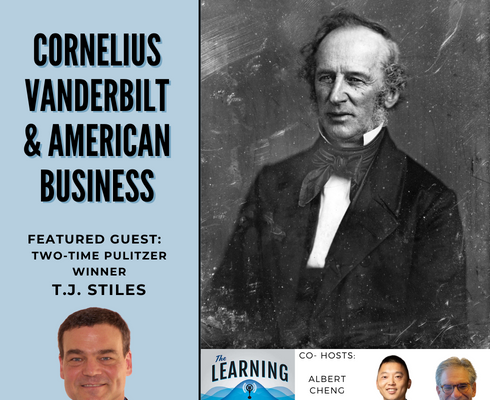 https://pioneerinstitute.org/wp-content/uploads/TLC-Stiles-01022024-6.png
490
490
Editorial Staff
https://pioneerinstitute.org/wp-content/uploads/logo_440x96.png
Editorial Staff2024-01-03 12:00:532024-06-26 14:45:47Two Time Pulitzer Winner T.J. Stiles on Cornelius Vanderbilt & American Business
https://pioneerinstitute.org/wp-content/uploads/TLC-Stiles-01022024-6.png
490
490
Editorial Staff
https://pioneerinstitute.org/wp-content/uploads/logo_440x96.png
Editorial Staff2024-01-03 12:00:532024-06-26 14:45:47Two Time Pulitzer Winner T.J. Stiles on Cornelius Vanderbilt & American Business https://pioneerinstitute.org/wp-content/uploads/TLC-Zaleski-12202023-3.png
900
1200
Editorial Staff
https://pioneerinstitute.org/wp-content/uploads/logo_440x96.png
Editorial Staff2023-12-20 12:10:492024-06-26 14:41:35Smith College’s Carol Zaleski on The Lord of the Rings & Narnia
https://pioneerinstitute.org/wp-content/uploads/TLC-Zaleski-12202023-3.png
900
1200
Editorial Staff
https://pioneerinstitute.org/wp-content/uploads/logo_440x96.png
Editorial Staff2023-12-20 12:10:492024-06-26 14:41:35Smith College’s Carol Zaleski on The Lord of the Rings & Narnia https://pioneerinstitute.org/wp-content/uploads/TLC-Hanford-Reading-C-12122023-.png
490
490
Editorial Staff
https://pioneerinstitute.org/wp-content/uploads/logo_440x96.png
Editorial Staff2023-12-13 11:50:282023-12-13 07:42:23Emily Hanford on Reading Science & K-12 Literacy
https://pioneerinstitute.org/wp-content/uploads/TLC-Hanford-Reading-C-12122023-.png
490
490
Editorial Staff
https://pioneerinstitute.org/wp-content/uploads/logo_440x96.png
Editorial Staff2023-12-13 11:50:282023-12-13 07:42:23Emily Hanford on Reading Science & K-12 Literacy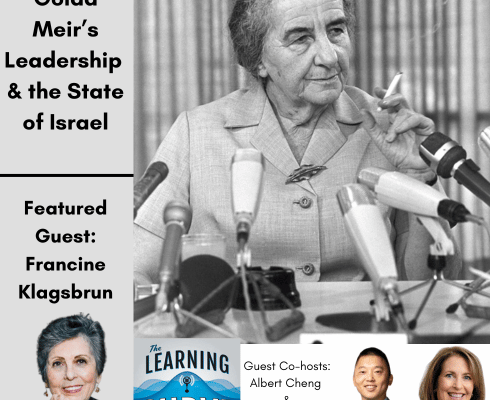 https://pioneerinstitute.org/wp-content/uploads/TLC-Klagsbrun-12062023-.png
490
490
Editorial Staff
https://pioneerinstitute.org/wp-content/uploads/logo_440x96.png
Editorial Staff2023-12-06 12:00:102023-12-06 13:58:00Francine Klagsbrun on Golda Meir’s Leadership and the State of Israel
https://pioneerinstitute.org/wp-content/uploads/TLC-Klagsbrun-12062023-.png
490
490
Editorial Staff
https://pioneerinstitute.org/wp-content/uploads/logo_440x96.png
Editorial Staff2023-12-06 12:00:102023-12-06 13:58:00Francine Klagsbrun on Golda Meir’s Leadership and the State of Israel https://pioneerinstitute.org/wp-content/uploads/TLC-OToole-11292023-1-1.png
490
490
Editorial Staff
https://pioneerinstitute.org/wp-content/uploads/logo_440x96.png
Editorial Staff2023-11-29 12:08:352023-11-29 12:08:35Hillsdale’s Dr. Kathleen O’Toole on K-12 Classical Education
https://pioneerinstitute.org/wp-content/uploads/TLC-OToole-11292023-1-1.png
490
490
Editorial Staff
https://pioneerinstitute.org/wp-content/uploads/logo_440x96.png
Editorial Staff2023-11-29 12:08:352023-11-29 12:08:35Hillsdale’s Dr. Kathleen O’Toole on K-12 Classical Education https://pioneerinstitute.org/wp-content/uploads/TLC-Rees-11222023-.jpg
490
490
Editorial Staff
https://pioneerinstitute.org/wp-content/uploads/logo_440x96.png
Editorial Staff2023-11-22 12:00:132023-11-22 11:23:32National Alliance’s Nina Rees on Charter Public Schools in America
https://pioneerinstitute.org/wp-content/uploads/TLC-Rees-11222023-.jpg
490
490
Editorial Staff
https://pioneerinstitute.org/wp-content/uploads/logo_440x96.png
Editorial Staff2023-11-22 12:00:132023-11-22 11:23:32National Alliance’s Nina Rees on Charter Public Schools in America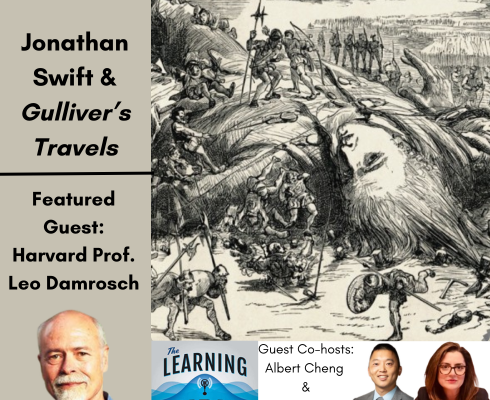 https://pioneerinstitute.org/wp-content/uploads/TLC-Damrosch-11152023-.png
490
490
Editorial Staff
https://pioneerinstitute.org/wp-content/uploads/logo_440x96.png
Editorial Staff2023-11-15 12:00:222023-11-15 12:58:42Harvard Prof. Leo Damrosch on Jonathan Swift & Gulliver’s Travels
https://pioneerinstitute.org/wp-content/uploads/TLC-Damrosch-11152023-.png
490
490
Editorial Staff
https://pioneerinstitute.org/wp-content/uploads/logo_440x96.png
Editorial Staff2023-11-15 12:00:222023-11-15 12:58:42Harvard Prof. Leo Damrosch on Jonathan Swift & Gulliver’s Travels https://pioneerinstitute.org/wp-content/uploads/TLC-Swain-111082023-1.jpg
490
490
Editorial Staff
https://pioneerinstitute.org/wp-content/uploads/logo_440x96.png
Editorial Staff2023-11-08 11:58:552023-11-08 11:35:30Vanderbilt’s Dr. Carol Swain on U.S. History, Race, & 1776 Unites
https://pioneerinstitute.org/wp-content/uploads/TLC-Swain-111082023-1.jpg
490
490
Editorial Staff
https://pioneerinstitute.org/wp-content/uploads/logo_440x96.png
Editorial Staff2023-11-08 11:58:552023-11-08 11:35:30Vanderbilt’s Dr. Carol Swain on U.S. History, Race, & 1776 Unites https://pioneerinstitute.org/wp-content/uploads/TLC-Klinger-10242023-490-x-490-px.png
490
490
Editorial Staff
https://pioneerinstitute.org/wp-content/uploads/logo_440x96.png
Editorial Staff2023-10-31 12:01:502023-11-01 05:30:24Leslie Klinger on Sherlock Holmes, Horror Stories, & Halloween
https://pioneerinstitute.org/wp-content/uploads/TLC-Klinger-10242023-490-x-490-px.png
490
490
Editorial Staff
https://pioneerinstitute.org/wp-content/uploads/logo_440x96.png
Editorial Staff2023-10-31 12:01:502023-11-01 05:30:24Leslie Klinger on Sherlock Holmes, Horror Stories, & Halloween https://pioneerinstitute.org/wp-content/uploads/TLC-Sinacola-10242023-512-x-512-px-490-x-490-px.jpg
490
490
Editorial Staff
https://pioneerinstitute.org/wp-content/uploads/logo_440x96.png
Editorial Staff2023-10-25 12:02:352023-10-31 15:16:42Pioneer’s U.S. History & Civics Book with Chris Sinacola
https://pioneerinstitute.org/wp-content/uploads/TLC-Sinacola-10242023-512-x-512-px-490-x-490-px.jpg
490
490
Editorial Staff
https://pioneerinstitute.org/wp-content/uploads/logo_440x96.png
Editorial Staff2023-10-25 12:02:352023-10-31 15:16:42Pioneer’s U.S. History & Civics Book with Chris Sinacola
