


Christensen Institute Co-founder Michael Horn on Digital Learning & COVID-19
This week on “The Learning Curve,” Cara and Gerard continue coverage of COVID-19’s impact on K-12 education, joined by Michael Horn, co-founder of the Clayton Christensen Institute for Disruptive Innovation. Michael shares his thoughts on his mentor, the late Clayton Christensen, a renowned Harvard Business School professor, influential thinker, and best-selling author. They discuss the lessons we are all learning from the COVID crisis about technical advancements that allow schools to innovate, in ways that were unthinkable just 20 years ago. Michael explains his view of online learning as a means of shifting the focus from schooling en masse to individual growth and mastery, and the need to provide incentives for meaningful student outcomes. They also explore which states are leading in digital learning, which are lagging behind, and specific initiatives that are making a dramatic difference in children’s preparedness for kindergarten and academic achievement.
Stories of the Week: How should states move forward on online learning during COVID-19? A new Pioneer report by digital learning innovator Julie Young offers tips for state policymakers and district leaders seeking guidance on equipment, teacher preparation, meeting special education needs, and more. In California, Governor Newsom is identifying strategies for re-opening in the aftermath of the pandemic, including staggered start times, classrooms reconfigured for social distancing, and more online learning.
The next episode will air on April 24th, 2020 with guest, Ashley Berner, Deputy Director of the Johns Hopkins Institute for Education Policy and an Associate Professor at the Johns Hopkins University School of Education.
Newsmaker Interview Guest:
 Michael Horn serves as the head of strategy for the Entangled Group, an education venture studio, and as a senior partner for Entangled Solutions, a strategy consultancy. He is also the co-founder of and a distinguished fellow at the Clayton Christensen Institute for Disruptive Innovation. Michael is the author and coauthor of multiple books, white papers, and articles on education, including the award-winning book, Disrupting Class: How Disruptive Innovation Will Change the Way the World Learns and the Amazon-bestseller, Blended: Using Disruptive Innovation to Improve Schools. He also is an executive editor at Education Next and is a venture partner at NextGen Venture Partners. Michael holds a BA in history from Yale University and an MBA from the Harvard Business School.
Tweet of the Week:
My latest article: D.C.’s Officials Are Blocking High School Graduation and College Opportunity for Hundreds of Students.https://t.co/yYK46w44bx
— David Osborne (@OsborneDavid) April 13, 2020
Newslinks:
LA Times: Social distancing in a classroom? Newsom suggests major changes when schools reopen
Get Updates on Our Education Research
Browse recent episodes:
 https://pioneerinstitute.org/wp-content/uploads/TLC-Richard-Paul-0625024-767-x-432-px-1.png
432
767
Editorial Staff
https://pioneerinstitute.org/wp-content/uploads/logo_440x96.png
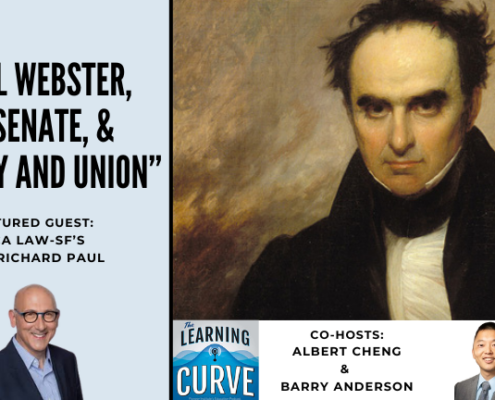
Editorial Staff2024-06-26 11:47:232024-06-26 11:58:59Prof. Joel Richard Paul on Daniel Webster, U.S. Senate, & “Liberty and Union”
https://pioneerinstitute.org/wp-content/uploads/TLC-Richard-Paul-0625024-767-x-432-px-1.png
432
767
Editorial Staff
https://pioneerinstitute.org/wp-content/uploads/logo_440x96.png
Editorial Staff2024-06-26 11:47:232024-06-26 11:58:59Prof. Joel Richard Paul on Daniel Webster, U.S. Senate, & “Liberty and Union”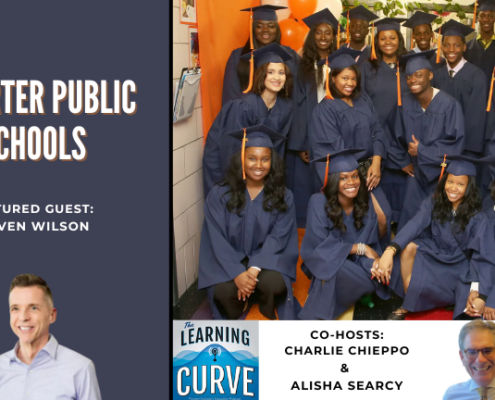 https://pioneerinstitute.org/wp-content/uploads/TLC-wilson-0612024-767-x-432-px.png
432
767
Editorial Staff
https://pioneerinstitute.org/wp-content/uploads/logo_440x96.png
Editorial Staff2024-06-19 12:33:532024-06-19 12:33:53Steven Wilson on Charter Public Schools
https://pioneerinstitute.org/wp-content/uploads/TLC-wilson-0612024-767-x-432-px.png
432
767
Editorial Staff
https://pioneerinstitute.org/wp-content/uploads/logo_440x96.png
Editorial Staff2024-06-19 12:33:532024-06-19 12:33:53Steven Wilson on Charter Public Schools https://pioneerinstitute.org/wp-content/uploads/TLC-Novick06132024-767-x-432-px.png
432
767
Editorial Staff
https://pioneerinstitute.org/wp-content/uploads/logo_440x96.png
Editorial Staff2024-06-12 11:58:182024-06-12 12:02:04Sheldon Novick on Henry James, American Women, & Gilded-Age Fiction
https://pioneerinstitute.org/wp-content/uploads/TLC-Novick06132024-767-x-432-px.png
432
767
Editorial Staff
https://pioneerinstitute.org/wp-content/uploads/logo_440x96.png
Editorial Staff2024-06-12 11:58:182024-06-12 12:02:04Sheldon Novick on Henry James, American Women, & Gilded-Age Fiction
