Press Releases: MBTA

July 14, 2025

Study Finds MBTA Operating Costs Surging Since Control Board’s Elimination

In the years since fiscal 2018, when the MBTA last balanced its budget without state contract assistance or federal funds, operating costs have been rising at an alarming rate, culminating in an increase of nearly 15 percent from FY 2023 to FY 2024 alone, according to a new policy brief published by Pioneer Institute.

Study Finds Pension Obligation Bonds Could Worsen T Retirement Fund’s Financial Woes

A new study published by Pioneer Institute finds that issuing pension obligation bonds (POBs) to refinance $360 million of the MBTA Retirement Fund’s (MBTARF’s) $1.3 billion unfunded pension liability would only compound the T’s already serious financial risks.
May 19, 2022

Study Documents The Design Challenges, Contracting Issues, And Delays Facing New MBTA Fare Collection System

This new study unearths previously unseen communications between the MBTA and its contractors, showing that the MBTA’s efforts to modernize its fare collection system, including allowing payments with credit cards and bringing “tap and go” technology to Commuter Rail and ferry lines, was riddled with technological challenges and difficulties overseeing contractors as early as 2019, culminating in a 3-year delay to the project’s full implementation.
February 8, 2022

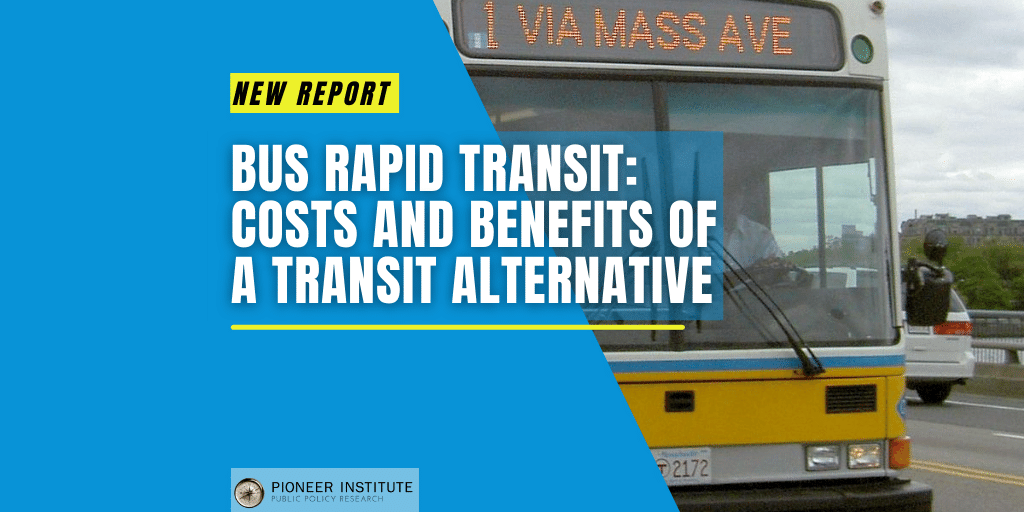
Study Finds Bus Rapid Transit Can Offer Cost-Effective Benefits

Bus rapid transit (BRT) incorporates unique features such as dedicated lanes to provide reliable and cost-effective service while reducing congestion and its detrimental environmental impacts, according to a new study published by Pioneer Institute.

January 19, 2022

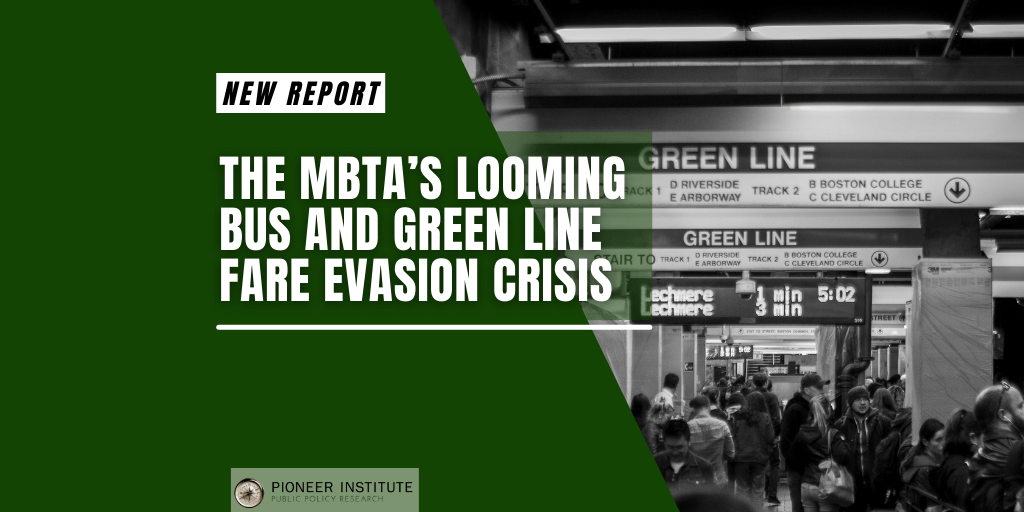
Study Raises Concern That Annual T Fare Evasion Costs Could Rise By More Than $30 Million Under AFC 2.0

According to the Federal Transit Administration (FTA), the MBTA’s $935.4 million fare collection system (AFC 2.0) that is scheduled to be implemented in 2023 will reduce fare evasion by $35 million over a decade. But the T announced in 2021 that evasion could actually increase by up to $30 million under AFC 2.0, and now a Pioneer Institute study warns that insufficient fare enforcement could drive that figure even higher under the new system.
May 26, 2021

Open Letter: Extend the Term of the MBTA’s Fiscal and Management Control Board

Read Pioneer Institute's Open Letter urging policymakers to extend the term of the MBTA’s Fiscal and Management Control Board (FMCB), which is currently scheduled to sunset at the end of June.  The Letter also calls for the Control Board to continue to be made up of transit experts rather than political appointees, and recommends that an independent audit office be created that reports directly to the FMCB.
November 20, 2020

Pioneer Institute Statement on MBTA Service Cuts

Even as MBTA ridership and revenue have been gutted by the COVID-19 pandemic, the system remains a lifeline for so many residents in the Greater Boston area, especially those working in essential services like health care or in industries most impacted by the pandemic such as the restaurant sector.  Facing a crisis of this magnitude, T leadership must first do its all to rethink how it delivers services before reflexively making cuts.

COVID-19 Silver Lining: MBTA Takes Advantage of Ridership Lull to Accelerate $8.5 Billion Modernization Program

Pioneer Institute congratulates the Fiscal and Management Control Board (FMCB) and MBTA management for taking advantage of the precipitous ridership declines due to the COVID pandemic to dramatically accelerate ongoing construction projects.

Survey Suggests Demand for Telecommuting After COVID-19 Crisis

Citing an avoidance of the commute and more flexible scheduling, nearly 63 percent of respondents to Pioneer Institute’s survey, “Will You Commute To Work When The COVID-19 Crisis Is Over?” expressed a preference to work from home one day a week, and a plurality preferred two to three days a week, even after a COVID-19 vaccine is available. Respondents cite social isolation as the biggest drawback of remote work. The survey was conducted from April 22nd to May 15th, and received responses from over 700 individuals.

Study Highlights Transit Agency Best Practices in Response to COVID-19

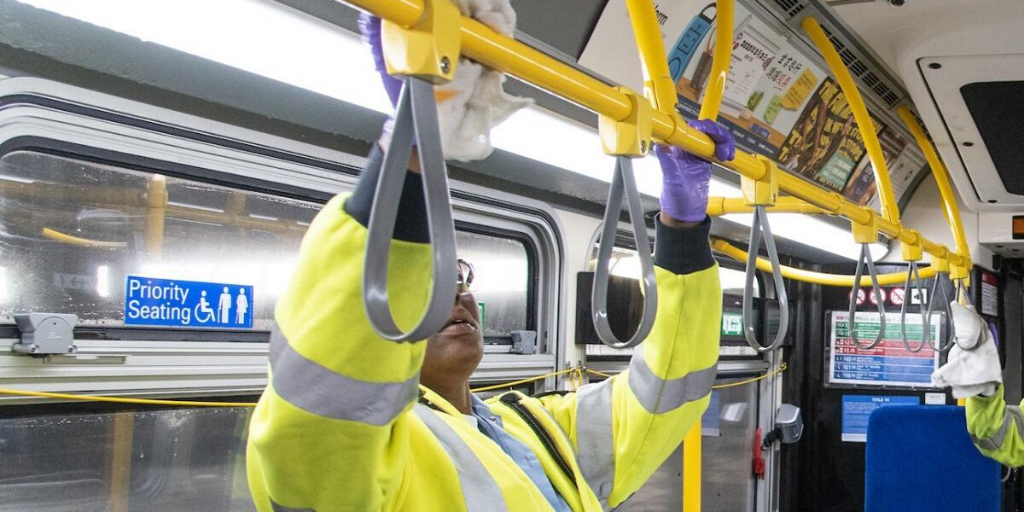
The MBTA is taking a number of important steps to mitigate risks associated with the coronavirus, but some transit agencies around the country - from Philadelphia to San Francisco - have done significantly more, according to a new study that highlights the best practices of U.S. transit systems in response to COVID-19.