


Human Rights Advocate Kristina Arriaga on Cuba, Religious Liberty, & Cancel Culture
This week on “The Learning Curve,” co-hosts Cara Candal and Gerard Robinson talk with Kristina Arriaga, president of Intrinsic, a strategic communications firm, and former vice chair of the U.S. Commission on International Religious Freedom. Kristina shares her family’s experiences fleeing Castro’s communist regime in Cuba and other hardships, and how her background has shaped her commitment to religious liberty. They discuss the current political situation in Cuba, and the lessons American citizens, teachers, and students should learn about communism’s impact on human rights. She shares her work to advance religious freedom as former executive director of The Becket Fund, where she honored courageous Cuban political prisoner Armando Valladares and so many other human rights activists, and through her service on several noted international commissions. Finally, they discuss parallels Kristina highlighted in an October 2020 USA Today op-ed, between cancel culture in America and some of the features of communist Cuba, such as speech codes, political correctness, and social shaming. They delve into why cancel culture is so dangerous to the free exchange of ideas and a healthy civic life, and how parents, teachers, and professors can combat it.
Stories of the Week: The Biden administration is extending the moratorium on federal student loan payments and interest – originally scheduled to expire next month – through early 2022. But exactly who is eligible? The New York Times reports that 340,000 of the one million children who did not report for school during the pandemic were in kindergarten, with the sharpest declines in low-income neighborhoods.
Guest:
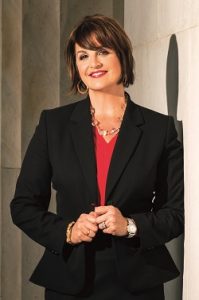 Kristina Arriaga is a passionate communicator with a storied life — from orchestrating the rescue of a Cuban woman and her two children, for which she was featured in Vanity Fair and Reader’s Digest, to visiting American Pastor Andrew Brunson in prison in Turkey, attending his judicial hearings in Izmir, and advocating for his release both in Turkey and through the pages of The Wall Street Journal. She is particularly interested in free speech, freedom of religion or belief, and international human rights for girls and women, and has written extensively on all these issues. Her recent USA Today piece on cancel culture went viral and was then censored for sensitive content by Twitter. In 2016, the U.S. Congress appointed her to the U.S. Commission on International Religious Freedom, where she was elected Vice-Chair for two consecutive terms. During her 3-year tenure, she met with high-ranking government officials to advocate for human rights in Iraq, Saudi Arabia, Bahrain, Egypt, Nigeria, Turkey, and many other countries. Before the Commission, Arriaga was a member of the U.S. delegation to the UN Human Rights Commission and the executive director of The Becket Fund, a public interest law firm that defends free expression. During her tenure at the law firm, she oversaw several landmark cases before the U.S. Supreme Court. Arriaga is the recipient of the 2017 Newseum Free Expression Award. Other recipients that year were Apple CEO Tim Cook, ABC correspondent Martha Raddatz, and civil rights champion John Lewis. Arriaga is a sought-after speaker and has appeared on BBC, MSNBC, C-Span, CNN, and NPR. Her writing includes op-eds published in USA Today and The Hill, and she has lectured at numerous academic institutions. Kristina has a master’s degree from Georgetown University and is reading for her DPhil at the Oxford Law Faculty at Oxford University.
The next episode will air on Wednesday, August 18th, 2021 at 12 pm ET with guest, Professor E.D. Hirsch, Jr., founder and chairman of the Core Knowledge Foundation, professor emeritus at the University of Virginia, and acclaimed author of the books, Cultural Literacy: What Every American Needs to Know and How to Educate a Citizen: The Power of Shared Knowledge to Unify a Nation.
Tweet of the Week:
More: State education officials say they told Boston Public Schools about Superintendent Brenda Cassellius’ looming license lapse months ago, and that they’re now awaiting a waiver request from the district so Cassellius can stay on. https://t.co/RAhSbIbtrR
— Sean Cotter (@CotterReporter) August 5, 2021
News Links:
Student Loan Payment Suspension: What the Extension Means for Borrowers
NYT: The Kindergarten Exodus
https://www.nytimes.com/2021/08/07/us/covid-kindergarten-enrollment.html?smid=tw-share
Get new episodes of The Learning Curve in your inbox!
Recent Episodes:
 https://pioneerinstitute.org/wp-content/uploads/TLC-Helen-Baxendale-11052024-767-x-432-px.png
432
767
Editorial Staff
https://pioneerinstitute.org/wp-content/uploads/logo_440x96.png
Editorial Staff2024-11-06 12:08:522024-11-06 12:08:52Dr. Helen Baxendale on Great Hearts Classical Liberal Arts Charter Schools
https://pioneerinstitute.org/wp-content/uploads/TLC-Helen-Baxendale-11052024-767-x-432-px.png
432
767
Editorial Staff
https://pioneerinstitute.org/wp-content/uploads/logo_440x96.png
Editorial Staff2024-11-06 12:08:522024-11-06 12:08:52Dr. Helen Baxendale on Great Hearts Classical Liberal Arts Charter Schools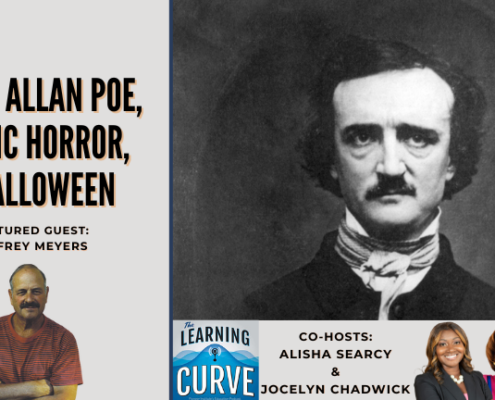 https://pioneerinstitute.org/wp-content/uploads/TLC-Jeffrey-Myers-10302024-767-x-432-px-1.png
432
767
Editorial Staff
https://pioneerinstitute.org/wp-content/uploads/logo_440x96.png
Editorial Staff2024-10-30 11:44:232024-10-30 10:45:46Jeffrey Meyers on Edgar Allan Poe, Gothic Horror, & Halloween
https://pioneerinstitute.org/wp-content/uploads/TLC-Jeffrey-Myers-10302024-767-x-432-px-1.png
432
767
Editorial Staff
https://pioneerinstitute.org/wp-content/uploads/logo_440x96.png
Editorial Staff2024-10-30 11:44:232024-10-30 10:45:46Jeffrey Meyers on Edgar Allan Poe, Gothic Horror, & Halloween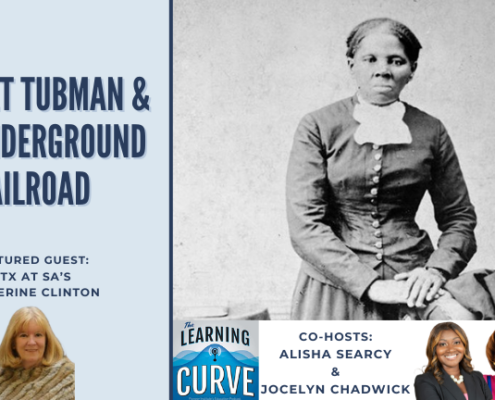 https://pioneerinstitute.org/wp-content/uploads/TLC-Catherine-Clinton-10222024-767-x-432-px-2.png
432
767
Editorial Staff
https://pioneerinstitute.org/wp-content/uploads/logo_440x96.png
Editorial Staff2024-10-23 11:30:142024-10-23 11:36:15U-TX at SA’s Catherine Clinton on Harriet Tubman & the Underground Railroad
https://pioneerinstitute.org/wp-content/uploads/TLC-Catherine-Clinton-10222024-767-x-432-px-2.png
432
767
Editorial Staff
https://pioneerinstitute.org/wp-content/uploads/logo_440x96.png
Editorial Staff2024-10-23 11:30:142024-10-23 11:36:15U-TX at SA’s Catherine Clinton on Harriet Tubman & the Underground Railroad https://pioneerinstitute.org/wp-content/uploads/TLC-Tom-Segev-10162024-767-x-432-px.png
432
767
Editorial Staff
https://pioneerinstitute.org/wp-content/uploads/logo_440x96.png
Editorial Staff2024-10-16 11:59:092024-10-16 11:59:09Award-Winner Tom Segev on Israel’s Founding Father, David Ben-Gurion
https://pioneerinstitute.org/wp-content/uploads/TLC-Tom-Segev-10162024-767-x-432-px.png
432
767
Editorial Staff
https://pioneerinstitute.org/wp-content/uploads/logo_440x96.png
Editorial Staff2024-10-16 11:59:092024-10-16 11:59:09Award-Winner Tom Segev on Israel’s Founding Father, David Ben-Gurion https://pioneerinstitute.org/wp-content/uploads/TLC-Katie-Everett-10092024-767-x-432-px-2.png
432
767
Editorial Staff
https://pioneerinstitute.org/wp-content/uploads/logo_440x96.png
Editorial Staff2024-10-09 11:30:162024-10-09 09:22:36Lynch Foundation’s Katie Everett on School Finance Model for Catholic Schools & School Choice
https://pioneerinstitute.org/wp-content/uploads/TLC-Katie-Everett-10092024-767-x-432-px-2.png
432
767
Editorial Staff
https://pioneerinstitute.org/wp-content/uploads/logo_440x96.png
Editorial Staff2024-10-09 11:30:162024-10-09 09:22:36Lynch Foundation’s Katie Everett on School Finance Model for Catholic Schools & School Choice https://pioneerinstitute.org/wp-content/uploads/TLC-Conway-Gardiner-10022024-767-x-432-px-1.png
432
767
Editorial Staff
https://pioneerinstitute.org/wp-content/uploads/logo_440x96.png
Editorial Staff2024-10-02 11:11:452024-10-02 11:11:45MA Teacher James Conway & High School Grad Ela Gardiner on MCAS Testing
https://pioneerinstitute.org/wp-content/uploads/TLC-Conway-Gardiner-10022024-767-x-432-px-1.png
432
767
Editorial Staff
https://pioneerinstitute.org/wp-content/uploads/logo_440x96.png
Editorial Staff2024-10-02 11:11:452024-10-02 11:11:45MA Teacher James Conway & High School Grad Ela Gardiner on MCAS Testing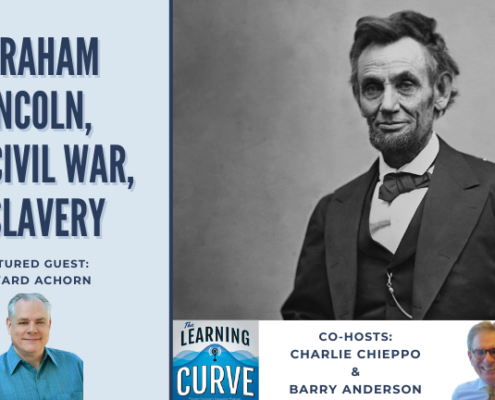 https://pioneerinstitute.org/wp-content/uploads/TLC-Edward-Achorn-09252024-767-x-432-px-1.png
432
767
Editorial Staff
https://pioneerinstitute.org/wp-content/uploads/logo_440x96.png
Editorial Staff2024-09-25 11:45:192024-09-25 11:37:02Edward Achorn on Abraham Lincoln, the Civil War, & Slavery
https://pioneerinstitute.org/wp-content/uploads/TLC-Edward-Achorn-09252024-767-x-432-px-1.png
432
767
Editorial Staff
https://pioneerinstitute.org/wp-content/uploads/logo_440x96.png
Editorial Staff2024-09-25 11:45:192024-09-25 11:37:02Edward Achorn on Abraham Lincoln, the Civil War, & Slavery https://pioneerinstitute.org/wp-content/uploads/TLC-Lance-Izumi-09182024-767-x-432-px.png
432
767
Editorial Staff
https://pioneerinstitute.org/wp-content/uploads/logo_440x96.png
Editorial Staff2024-09-18 07:20:012024-09-18 07:20:01PRI’s Lance Izumi on The Great Classroom Collapse
https://pioneerinstitute.org/wp-content/uploads/TLC-Lance-Izumi-09182024-767-x-432-px.png
432
767
Editorial Staff
https://pioneerinstitute.org/wp-content/uploads/logo_440x96.png
Editorial Staff2024-09-18 07:20:012024-09-18 07:20:01PRI’s Lance Izumi on The Great Classroom Collapse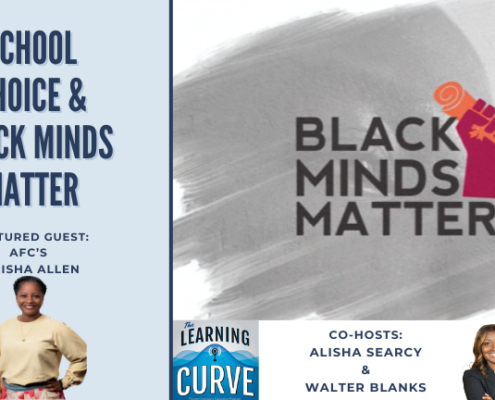 https://pioneerinstitute.org/wp-content/uploads/TLC-DM-09102024-767-x-432-px.png
432
767
Editorial Staff
https://pioneerinstitute.org/wp-content/uploads/logo_440x96.png
Editorial Staff2024-09-12 09:54:372024-09-12 09:54:37AFC’s Denisha Allen on School Choice & Black Minds Matter
https://pioneerinstitute.org/wp-content/uploads/TLC-DM-09102024-767-x-432-px.png
432
767
Editorial Staff
https://pioneerinstitute.org/wp-content/uploads/logo_440x96.png
Editorial Staff2024-09-12 09:54:372024-09-12 09:54:37AFC’s Denisha Allen on School Choice & Black Minds Matter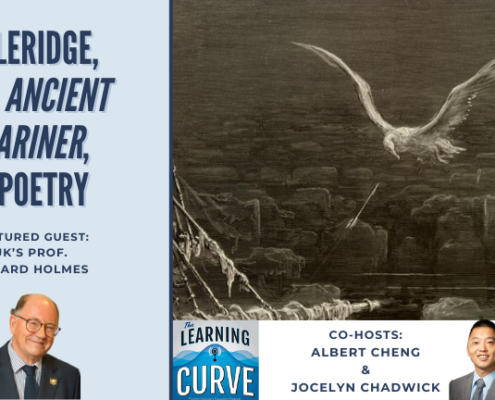 https://pioneerinstitute.org/wp-content/uploads/TLC-Richard-Holmes-08282024-767-x-432-px-1.png
432
767
Editorial Staff
https://pioneerinstitute.org/wp-content/uploads/logo_440x96.png
Editorial Staff2024-09-04 11:54:562024-09-04 12:03:20UK’s Prof. Richard Holmes on Coleridge, the Ancient Mariner, & Poetry
https://pioneerinstitute.org/wp-content/uploads/TLC-Richard-Holmes-08282024-767-x-432-px-1.png
432
767
Editorial Staff
https://pioneerinstitute.org/wp-content/uploads/logo_440x96.png
Editorial Staff2024-09-04 11:54:562024-09-04 12:03:20UK’s Prof. Richard Holmes on Coleridge, the Ancient Mariner, & Poetry
