
Tag Archive for: T
 https://pioneerinstitute.org/wp-content/uploads/Copy-of-11.-Employees-of-the-Public-Sector-1-3.png
512
1024
EJ McMahon
https://pioneerinstitute.org/wp-content/uploads/logo_440x96.png
EJ McMahon2022-06-21 06:41:572022-06-21 06:41:57Rolling the Retirement Dice: Why the MBTA Should Steer Clear of Pension Bonds
https://pioneerinstitute.org/wp-content/uploads/Copy-of-11.-Employees-of-the-Public-Sector-1-3.png
512
1024
EJ McMahon
https://pioneerinstitute.org/wp-content/uploads/logo_440x96.png
EJ McMahon2022-06-21 06:41:572022-06-21 06:41:57Rolling the Retirement Dice: Why the MBTA Should Steer Clear of Pension Bonds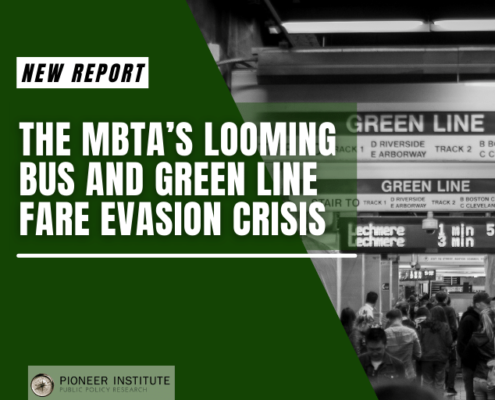 https://pioneerinstitute.org/wp-content/uploads/FareEvasionWeb.png
512
1024
Editorial Staff
https://pioneerinstitute.org/wp-content/uploads/logo_440x96.png
Editorial Staff2022-01-19 06:09:272022-01-19 08:40:42Study Raises Concern That Annual T Fare Evasion Costs Could Rise By More Than $30 Million Under AFC 2.0
https://pioneerinstitute.org/wp-content/uploads/FareEvasionWeb.png
512
1024
Greg Sullivan
https://pioneerinstitute.org/wp-content/uploads/logo_440x96.png
Greg Sullivan2022-01-18 14:21:482022-01-19 06:14:19The MBTA’s Looming Bus and Green Line Fare Evasion Crisis
https://pioneerinstitute.org/wp-content/uploads/FareEvasionWeb.png
512
1024
Editorial Staff
https://pioneerinstitute.org/wp-content/uploads/logo_440x96.png
Editorial Staff2022-01-19 06:09:272022-01-19 08:40:42Study Raises Concern That Annual T Fare Evasion Costs Could Rise By More Than $30 Million Under AFC 2.0
https://pioneerinstitute.org/wp-content/uploads/FareEvasionWeb.png
512
1024
Greg Sullivan
https://pioneerinstitute.org/wp-content/uploads/logo_440x96.png
Greg Sullivan2022-01-18 14:21:482022-01-19 06:14:19The MBTA’s Looming Bus and Green Line Fare Evasion Crisis https://pioneerinstitute.org/wp-content/uploads/iStock-959663212-1.jpg
3454
5181
Editorial Staff
https://pioneerinstitute.org/wp-content/uploads/logo_440x96.png
Editorial Staff2020-11-20 09:00:152021-10-29 15:26:28Pioneer Institute Statement on MBTA Service Cuts
https://pioneerinstitute.org/wp-content/uploads/iStock-959663212-1.jpg
3454
5181
Editorial Staff
https://pioneerinstitute.org/wp-content/uploads/logo_440x96.png
Editorial Staff2020-11-20 09:00:152021-10-29 15:26:28Pioneer Institute Statement on MBTA Service Cuts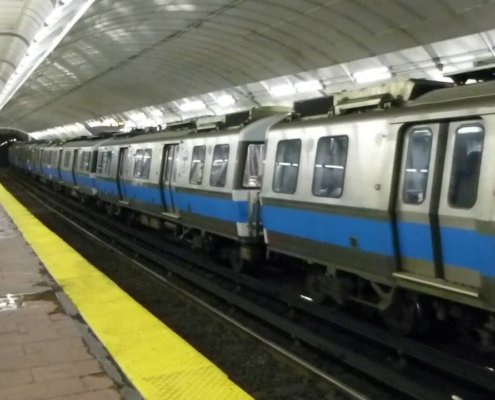 https://pioneerinstitute.org/wp-content/uploads/blue-line.jpg
720
1280
Editorial Staff
https://pioneerinstitute.org/wp-content/uploads/logo_440x96.png
Editorial Staff2019-10-07 08:30:282019-10-06 15:21:51Study Proposes “Marshall Plan” for Attracting and Retaining Talent Needed to Modernize the MBTA
https://pioneerinstitute.org/wp-content/uploads/iStock-959663212-1.jpg
3454
5181
Editorial Staff
https://pioneerinstitute.org/wp-content/uploads/logo_440x96.png
Editorial Staff2019-08-06 08:30:432019-08-08 08:57:29Study Calls for Easing MBTA Procurement Restrictions and Beefing Up Project Management Capacity
https://pioneerinstitute.org/wp-content/uploads/blue-line.jpg
720
1280
Editorial Staff
https://pioneerinstitute.org/wp-content/uploads/logo_440x96.png
Editorial Staff2019-10-07 08:30:282019-10-06 15:21:51Study Proposes “Marshall Plan” for Attracting and Retaining Talent Needed to Modernize the MBTA
https://pioneerinstitute.org/wp-content/uploads/iStock-959663212-1.jpg
3454
5181
Editorial Staff
https://pioneerinstitute.org/wp-content/uploads/logo_440x96.png
Editorial Staff2019-08-06 08:30:432019-08-08 08:57:29Study Calls for Easing MBTA Procurement Restrictions and Beefing Up Project Management Capacity https://pioneerinstitute.org/wp-content/uploads/Red-line-train-with-Boston-skyline.jpg
1413
2124
Editorial Staff
https://pioneerinstitute.org/wp-content/uploads/logo_440x96.png
Editorial Staff2019-03-04 14:39:302021-10-29 15:26:00Pioneer Institute Public Statement on the MBTA’s Proposal to Increase Fares by 6.3 Percent
https://pioneerinstitute.org/wp-content/uploads/Red-line-train-with-Boston-skyline.jpg
1413
2124
Editorial Staff
https://pioneerinstitute.org/wp-content/uploads/logo_440x96.png
Editorial Staff2019-03-04 14:39:302021-10-29 15:26:00Pioneer Institute Public Statement on the MBTA’s Proposal to Increase Fares by 6.3 Percent https://pioneerinstitute.org/wp-content/uploads/MBTA-inside-1.jpg
344
588
Editorial Staff
https://pioneerinstitute.org/wp-content/uploads/logo_440x96.png
Editorial Staff2018-11-29 10:29:482019-07-10 14:50:45Public Statement on MBTA Ridership & Pension Costs
https://pioneerinstitute.org/wp-content/uploads/MBTA-inside-1.jpg
344
588
Editorial Staff
https://pioneerinstitute.org/wp-content/uploads/logo_440x96.png
Editorial Staff2018-11-29 10:29:482019-07-10 14:50:45Public Statement on MBTA Ridership & Pension Costs https://pioneerinstitute.org/wp-content/uploads/Ferry.png
464
630
Editorial Staff
https://pioneerinstitute.org/wp-content/uploads/logo_440x96.png
Editorial Staff2017-09-26 09:02:492020-12-11 14:01:07Study: Ferry Service Could Provide Opportunity for MBTA Expansion without Huge Upfront Costs
https://pioneerinstitute.org/wp-content/uploads/Ferry.png
464
630
Editorial Staff
https://pioneerinstitute.org/wp-content/uploads/logo_440x96.png
Editorial Staff2017-09-26 09:02:492020-12-11 14:01:07Study: Ferry Service Could Provide Opportunity for MBTA Expansion without Huge Upfront Costs