

October 5, 2026
Question 1: Public Records You Can Access in Florida and Colorado—but Not Massachusetts
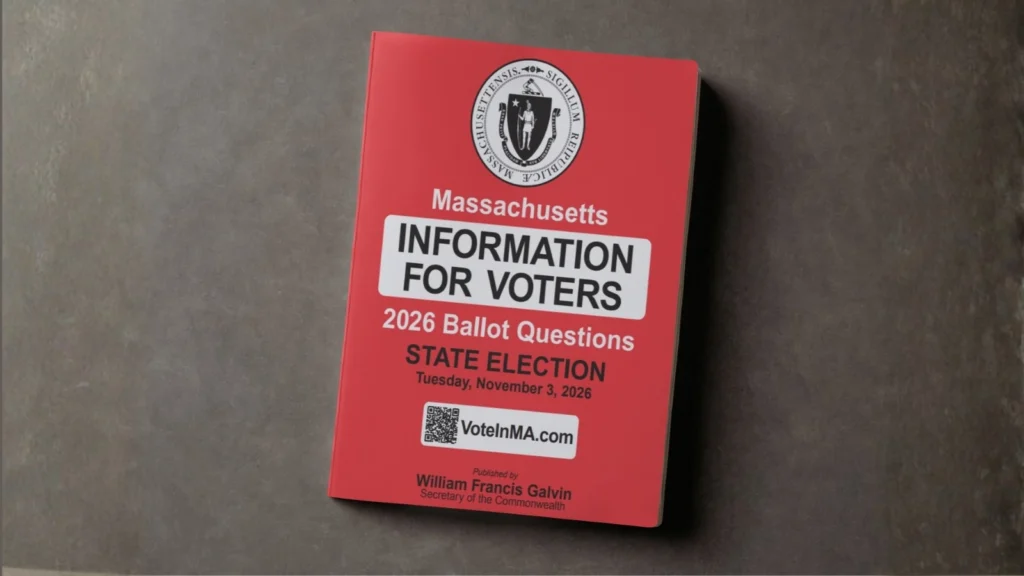
Let’s dig into Q1 and, as always, be sure to read the official 2026 Massachusetts Voter Guide. Let’s start with the basics:
- What it does: Massachusetts exempts both the Legislature and Governor’s Office from the public records law. They release some records on a voluntary basis, but citizens have no recourse—no enforceable right—to obtain them, such as a legal right to challenge a denial. Q1 would make most records held by the Legislature and Governor’s Office subject to the public records law, with exemptions for policy development and constituent requests involving government services and benefits.
- What opponents say: With no organized opposition campaign, the Voter Guide draws an opposition statement largely from the Legislature’s Majority Report. It argues that Q1 could chill internal policy discussions, expose private constituent communications, and raise constitutional and separation-of-powers concerns.
The background on this issue does all the talking: States across the U.S. subject their elected officials to public records law, and the sky hasn’t fallen. Massachusetts is the one state in nation where the legislature, governor’s office and judiciary are not subject to public records law. The Bay State also has the dubious honor of receiving the Society of Professional Journalists’ 2026 Black Hole Award for its “troubling lack of transparency,” needs this reform badly. (Full disclosure: Pioneer Institute has endorsed Q1 and contributed to the campaign.)
To make this issue more real, I want to compare Massachusetts to “blue” Colorado and “red” Florida. Both states have a reputation for strong cultures of government transparency and public records laws that reach elected officials. Florida’s Constitution expressly covers the legislative and executive branches; Colorado’s CORA covers records kept by elected officials as part of their public business.
So what would passing Question 1 change in Massachusetts? Stated differently, what records can citizens obtain from legislators and governors in Colorado and Florida that Massachusetts citizens cannot?
Below are two charts, one for legislative records and another for gubernatorial records.
- Yes: Covered by the state’s public records law.
- Almost always: Generally available, with specific exemptions.
- Often: Depends on the record’s content or circumstances.
- No: No enforceable right to obtain the record from that office.
In all three states, public records laws allow information to be withheld or redacted under exemptions related to privacy, attorney/client privilege, and security concerns.
Legislative Records
Florida and Colorado give citizens a legal right to obtain records from their state legislatures; Massachusetts does not. In Florida, records related to official legislative business are public, with exceptions for things like internal bill drafts and sensitive constituent information. In Colorado, official legislative correspondence is public, except for internal legislative work and confidential constituent communications.
| Record you could request | MA | FL¹ | CO² |
| Legislator’s official business correspondence | No | Almost always | Often |
| Emails with lobbyists about legislation | No | Almost always | Often |
| Emails with corporations about legislation | No | Almost always | Often |
| Emails with business associations about legislation | No | Almost always | Often |
| Emails with unions about legislation | No | Almost always | Often |
| Emails with advocacy organizations about legislation | No | Almost always | Often |
| Emails with other outside interests about legislation | No | Almost always | Often |
| Correspondence between legislators and executive branch officials | No | Almost always | Often |
| Documents sent to legislators by lobbyists | No | Almost always | Often |
| Studies or reports sent by outside organizations | No | Almost always | Often |
| Data supplied by outside organizations | No | Almost always | Often |
| Proposed legislative language supplied by outside organizations | No | Almost always | Often |
| Outside comments on proposed legislation | No | Almost always | Often |
| Final factual research prepared for legislators | No | Often | Often |
| Legislator/staff texts concerning official business | No | Often³ | Often³ |
| Official business conducted via personal email | No | Often³ | Often³ |
| Official business conducted via personal devices | No | Often³ | Often³ |
| Records showing meetings with lobbyists or outside interests | No | Often | Often |
| Legislative contracts | No | Almost always | Almost always |
| Legislative vendor invoices | No | Almost always | Almost always |
| Legislative travel and expense records | No | Almost always | Almost always |
| Internal bill drafts | No | No¹ | No² |
| Internal legislative work product | No | No¹ | No² |
| Confidential/private constituent correspondence | No | No¹ | No² |
| Public records request to Legislature | No | Yes | Yes |
Notes: (1) In Florida, legislative records are public unless specifically exempted. Exemptions include certain drafts, work product, ethics records and constituent communications. (2) In Colorado, legislative correspondence, including email, is public; legislative work product and confidential constituent communications are exempt, similar to the exemptions in ballot Question 1. (3) Official business emails and texts are still considered public records when conducted through personal accounts or devices (Colorado, Florida).
Governor’s Office
Unlike Massachusetts, citizens in Colorado and Florida have a legal right to access public records from their governors’ offices. Colorado law similarly covers records kept by elected officials in carrying out public business. Florida’s Governor’s Office has an Office of Open Government that handles public records requests.
| Record you could request | MA | FL | CO |
| Official business emails | No | Almost always | Often |
| Emails with lobbyists | No | Almost always | Often |
| Emails with corporations and business groups | No | Almost always | Often |
| Emails with unions | No | Almost always | Often |
| Emails with advocacy organizations | No | Almost always | Often |
| Correspondence re: legislation | No | Almost always | Often |
| Correspondence re: regulations | No | Almost always | Often |
| Correspondence re: government contracts | No | Almost always | Often |
| Correspondence re: economic development projects | No | Almost always | Often |
| Documents/reports supplied by outside organizations | No | Almost always | Often |
| Data supplied by outside organizations | No | Almost always | Often |
| Official business texts | No | Often* | Often * |
| Official business conducted via personal email | No | Often * | Often * |
| Official business conducted via personal devices | No | Often * | Often * |
| Records showing meetings with lobbyists or outside interests | No | Often | Often |
| Correspondence with state agencies | No | Almost always | Almost always |
| Correspondence with legislators | No | Almost always | Almost always |
| Final reports and factual analyses | No | Almost always | Almost always |
| Contracts | No | Almost always | Almost always |
| Vendor invoices | No | Almost always | Almost always |
| Travel and expense records | No | Almost always | Almost always |
| Public records request to Governor’s Office | No | Yes | Yes |
Notes: * Official business emails and texts are still considered public records when conducted through personal accounts or devices (Colorado, Florida).
Beacon Hill is regularly criticized for its inefficiency, last minute lawmaking, and resistance to greater transparency. Giving the public access to public records will not create a fishbowl effect that inhibits deliberation or the ability to pass legislation. That certainly has not happened in Florida and Colorado—and both states protect legitimate areas of confidentiality.
More transparency will help rebuild public trust in the Legislature and show citizens how the legislative sausage is made: who is influencing legislation, what information lawmakers receive, where bills get stuck, and where potential conflicts exist.
Importantly, Massachusetts citizens would no longer have to depend on elected officials to decide what public records they are willing to release.
Bottom line: This is a no-brainer.