


Pioneer reported this abrupt and substantial change in its May 2021 white paper, “A Brighter Dashboard: State Should Cut Confusion and Clarify Eldercare Cases and Deaths.” The paper asked, understandably, for a clear explanation: What counting methodology produced the 9,000-plus figure? And, if thousands of those deaths are no longer considered long-term care deaths, what are representative examples of such deaths? Addressing this question would help the public understand what was removed from the former total.
Pioneer pressed the Executive Office of Health and Human Services and DPH for such an explanation orally in virtual meetings and in writing through 2021, and was unsuccessful in those efforts. Subsequently, Pioneer has filed this Public Records Act request. How COVID impacted Massachusetts’ long-term care facilities is a matter of obvious importance, both on principle (the public has a right to know the facts), and for purposes of evaluating – and where possible improving – public policy. The state’s amendment of its long-term care death count may have been appropriate – but the public has the right to evaluate that question, and cannot do so absent a better explanation of what happened and why.
Oops! We could not locate your form.
Related Content:

Pioneer Institute: 340B Hospitals Does Not Necessarily Translate to Charity Care

How Public Transportation’s Efficiency Changed During Covid
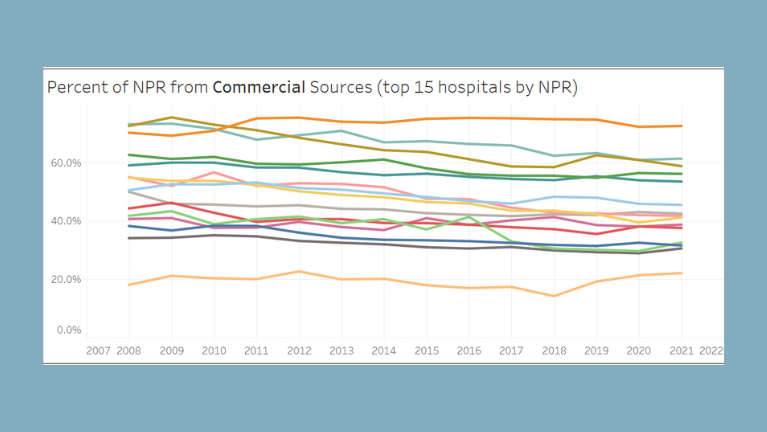
New Online Tool Tracks MA Hospital Revenue from Commercial Sources

Study: Massachusetts Should Join 45 States and Allow Prescribers to Dispense Medications

As COVID-19 Emergencies Ease, Some Progress on Telehealth Rules

Survey Finds Spotty Compliance Among Hospitals with Federal Price Transparency Law
Pandemic Dead Reckoning: Unseen Casualties of Public Health Interventions