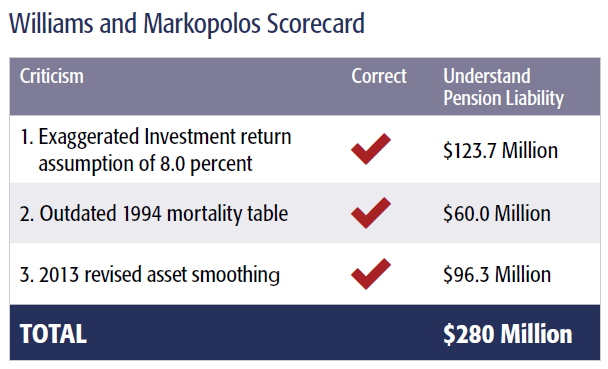
At the time, MBTARF vigorously refuted the validity of the findings. Spokesman Steve Crawford said, “The fund stands by its reported investment returns and by its asset and liability calculations,” and that “MBTA retirees and beneficiaries can be confident that their futures are secure.” But a new Pioneer brief presents in-depth analysis of MBTARF’s subsequent financial disclosures that demonstrate the accuracy of Williams’ and Markopolos’s claims.
As Pioneer recommended in its recent public statement on the fare hike proposal, the MBTA must commit to reforms to its pension fund that will ensure its sustainability for T employees and reduce the financial burden on riders and taxpayers. As Mark Williams noted in a Boston Globe op-ed in January 2019, the MBTA’s contribution to MBTARF was $40 million a decade ago; by the time of the next fare increase, that amount will rise to $140 million. In a recent editorial, The Boston Globe cited the T’s projection that the unfunded liability would reach $1.5 billion, and echoed a Pioneer recommendation to shift control of the T’s pension system to the state’s well-run Pension Reserves Investment Trust. In reports and op-eds published since at least 2013, Pioneer has raised concerns about the MBTARF’s growing and unsustainable pension liability, and offered reform proposals that include, in addition to transferring T employees to the state pension fund, a legislative cap on employer contributions to the pension fund, a new pension benefit structure for all current MBTARF members, and hiring an independent actuary and auditor to conduct an independent review of the fund.

Shaka Mitchell on the American Federation for Children & School Choice Options

We Have a Long Way to Go for Massachusetts Residents to Have the Government Transparency We Deserve

Study Finds Pension Obligation Bonds Could Worsen T Retirement Fund’s Financial Woes

Study Documents The Design Challenges, Contracting Issues, And Delays Facing New MBTA Fare Collection System
Study Finds Bus Rapid Transit Can Offer Cost-Effective Benefits

Study Raises Concern That Annual T Fare Evasion Costs Could Rise By More Than $30 Million Under AFC 2.0

Pioneer Applauds MassDOT for Allston Project All At-Grade Plan
Open Letter: Extend the Term of the MBTA’s Fiscal and Management Control Board

Pioneer Institute Statement on MBTA Service Cuts

COVID-19 Silver Lining: MBTA Takes Advantage of Ridership Lull to Accelerate $8.5 Billion Modernization Program

Survey Suggests Demand for Telecommuting After COVID-19 Crisis
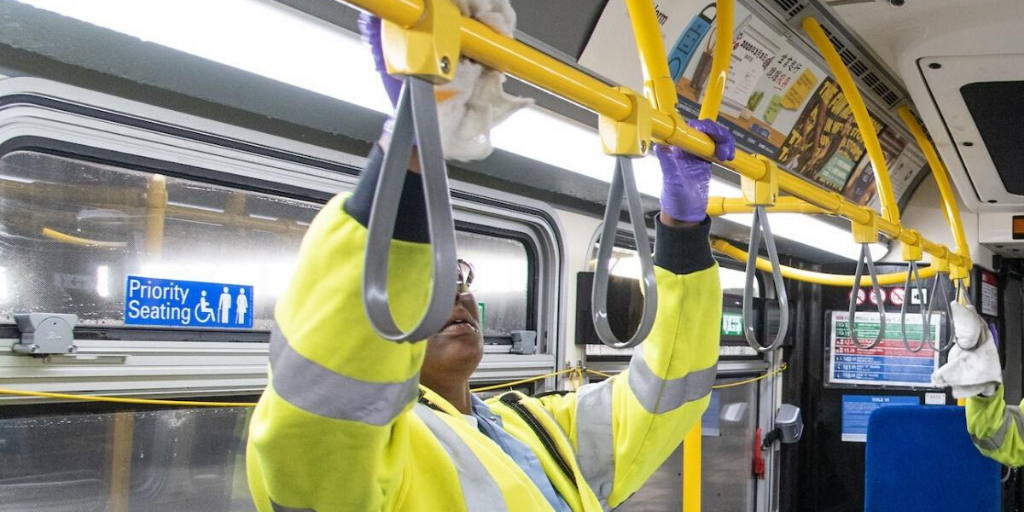
Study Highlights Transit Agency Best Practices in Response to COVID-19

A Control Board Equipped for the Next Phase of MBTA Reform
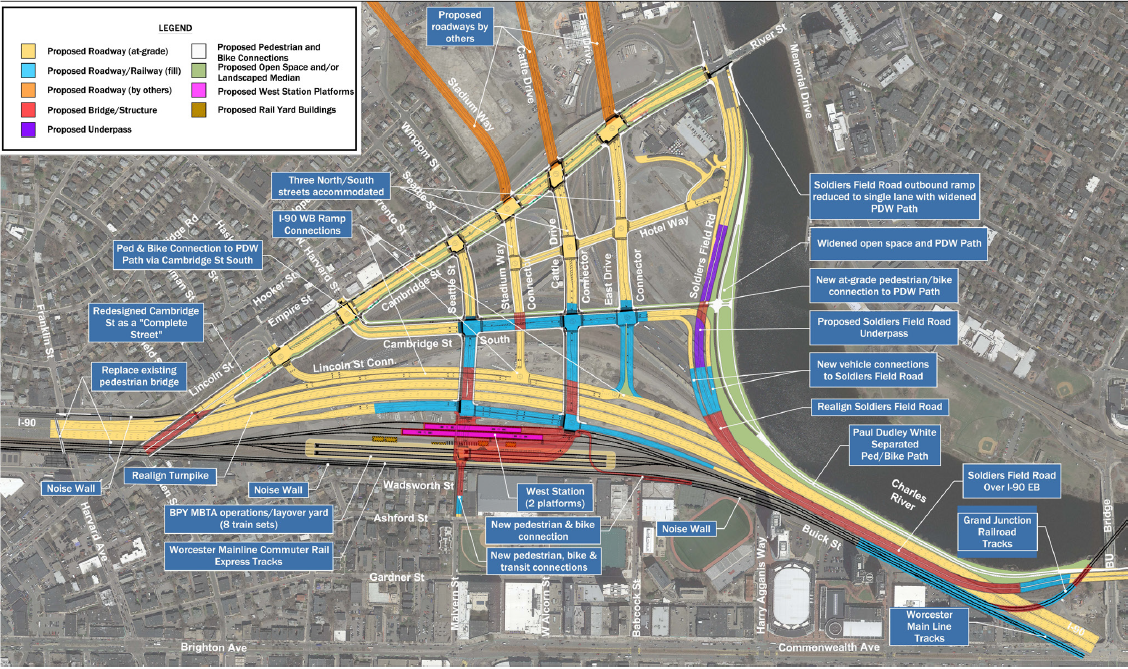
Pioneer Urges MassDOT to Reconsider At-Grade Throat Option for I-90 Allston Multimodal Project

Study Finds Revived Merit Rating Board Taking Steps to Carry Out Statutorily Mandated Duties

Study Proposes “Marshall Plan” for Attracting and Retaining Talent Needed to Modernize the MBTA

Pioneer Institute Announces Winner of 29th Annual Better Government Competition