


- The MBTA’s over-arching principle for its strategic plan should be to increase ridership. By keeping the goal of increasing ridership at the forefront of all decision-making, the many component parts of the MBTA’s strategy will be more effectively communicated throughout the organization and to the public;
- While the MBTA has made great strides to improve its finances and core service, Pioneer believes more reforms are needed, including additional competitive contracts and pension reform;
- The time to talk about additional financial help for the T has come. It is critical to devise a more equitable way of paying down Big Dig-related debt service, which continues to hamper the MBTA’s ability to gain a sound financial footing. Pioneer believes that the source of this funding should be Massport, a major beneficiary of the Big Dig.
Click the button below to read public testimony submitted by Pioneer Institute Executive Director Jim Stergios to the MBTA’s Fiscal and Management Control Board:
Oops! We could not locate your form.
Related posts:

Shaka Mitchell on the American Federation for Children & School Choice Options
In this week’s episode of The Learning Curve, co-host Alisha Searcy and guest co-host Walter Blanks interview Shaka Mitchell, senior fellow at the American Federation for Children. Mr. Mitchell…
Read more
We Have a Long Way to Go for Massachusetts Residents to Have the Government Transparency We Deserve
As Pioneer Institute observes Sunshine Week,?we are disappointed by the legislature’s attempts to deny what the vast majority of voters want: an audit of…
Read more
Study Finds Pension Obligation Bonds Could Worsen T Retirement Fund’s Financial Woes
A new study published by Pioneer Institute finds that issuing pension obligation bonds (POBs) to refinance $360 million of the MBTA Retirement Fund’s (MBTARF’s)…
Read more
Study Documents The Design Challenges, Contracting Issues, And Delays Facing New MBTA Fare Collection System
This new study unearths previously unseen communications between the MBTA and its contractors, showing that the MBTA’s efforts to modernize its fare collection system,…
Read more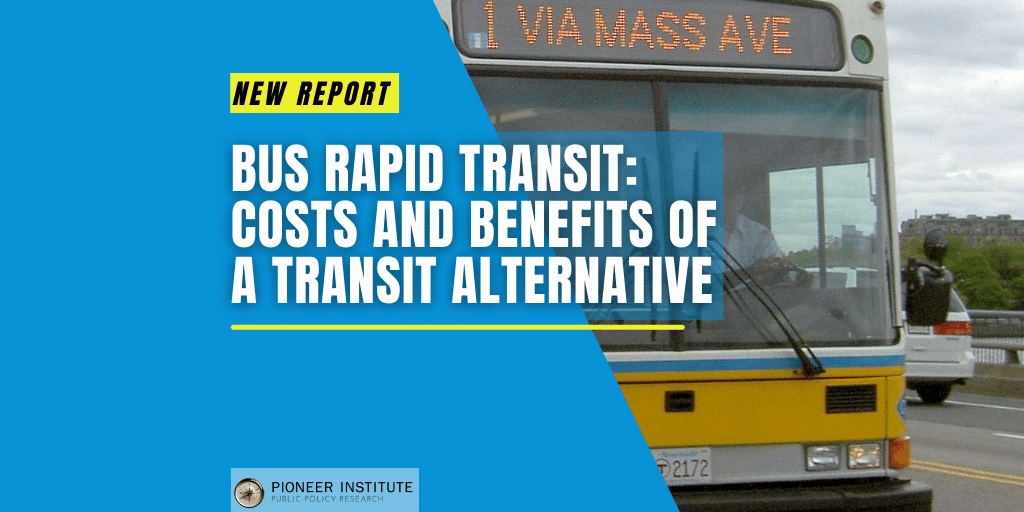
Study Finds Bus Rapid Transit Can Offer Cost-Effective Benefits
Bus rapid transit (BRT) incorporates unique features such as dedicated lanes to provide reliable and cost-effective service while reducing congestion and its detrimental environmental…
Read more
Study Raises Concern That Annual T Fare Evasion Costs Could Rise By More Than $30 Million Under AFC 2.0
According to the Federal Transit Administration (FTA), the MBTA’s $935.4 million fare collection system (AFC 2.0) that is scheduled to be implemented in 2023…
Read more
Pioneer Applauds MassDOT for Allston Project All At-Grade Plan
Pioneer Institute applauds the Massachusetts Department of Transportation (Mass DOT) for its decision to move forward with an all at-grade design for the “throat”…
Read more
Open Letter: Extend the Term of the MBTA’s Fiscal and Management Control Board
Read Pioneer Institute's Open Letter urging policymakers to extend the term of the MBTA’s Fiscal and Management Control Board (FMCB), which is currently scheduled…
Read more
Pioneer Institute Statement on MBTA Service Cuts
Even as MBTA ridership and revenue have been gutted by the COVID-19 pandemic, the system remains a lifeline for so many residents in the…
Read more
COVID-19 Silver Lining: MBTA Takes Advantage of Ridership Lull to Accelerate $8.5 Billion Modernization Program
Pioneer Institute congratulates the Fiscal and Management Control Board (FMCB) and MBTA management for taking advantage of the precipitous ridership declines due to the…
Read more
Survey Suggests Demand for Telecommuting After COVID-19 Crisis
Citing an avoidance of the commute and more flexible scheduling, nearly 63 percent of respondents to Pioneer Institute’s survey, “Will You Commute To Work…
Read more
Study Highlights Transit Agency Best Practices in Response to COVID-19
The MBTA is taking a number of important steps to mitigate risks associated with the coronavirus, but some transit agencies around the country -…
Read more
A Control Board Equipped for the Next Phase of MBTA Reform
In a new policy brief out today, Pioneer Institute calls on the Massachusetts Legislature to extend the life of the MBTA’s Fiscal and Management…
Read more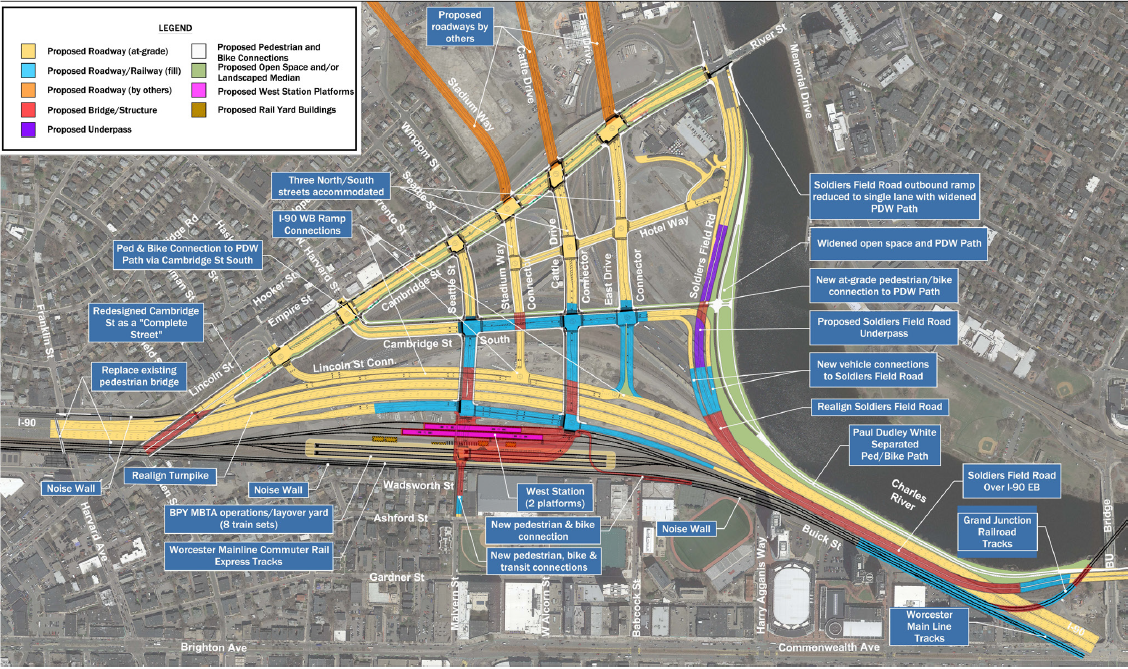
Pioneer Urges MassDOT to Reconsider At-Grade Throat Option for I-90 Allston Multimodal Project
Pioneer's new Public Comment calls on the Massachusetts Department of Transportation to revise its Scoping Report on the I-90 Allston Multimodal Project and recommend…
Read more
Study Finds Revived Merit Rating Board Taking Steps to Carry Out Statutorily Mandated Duties
The Merit Rating Board’s recent adoption of a regular meeting schedule, and related resolutions, are important steps in light of that Board’s 1976 governing…
Read more
Study Proposes “Marshall Plan” for Attracting and Retaining Talent Needed to Modernize the MBTA
Better hiring practices and internal organization, external resources needed to deliver on expanded capital budget BOSTON – Going from much larger capital budgets to…
Read more
Pioneer Institute Announces Winner of 29th Annual Better Government Competition
Pioneer Institute is pleased to announce that Los Angeles Country Metropolitan Transportation Authority (LA Metro)’s program, “Operation Farm Team: Global Transportation Infrastructure Workforce Initiative”…
Read moreStudy Calls for Easing MBTA Procurement Restrictions and Beefing Up Project Management Capacity
Reforms needed if T is to achieve increased capital spending targets to modernize the system and boost ridership Media Inquiries: Contact Micaela Dawson, Communications…
Read more