In the near term, more remains to be done to close the T’s annual budget gap, including three big items:
- competitively bidding the T’s bus maintenance and in-person customer services,
- further expanding the use of ridesharing and taxicabs in providing The Ride paratransit services, and
- reforming the T’s troubled pension system.
Just as importantly, the T continues to leave millions of capital dollars – including dollars targeted at critical maintenance projects – unspent. Below are some recent news items and research from Pioneer that is all aimed at transforming the quality of service at the MBTA.
|

| CommonWealth magazine: MBTA control board is on trackBy Charles Chieppo REMARKABLE PROGRESS HAS been made since a Fiscal and Management Control Board was installed during the summer of 2015 and given powers not previously available to MBTA management. Yet those accomplishments are just a down payment on what it will take to fix the T, and the clock is ticking.As difficult as many of the board’s decisions have been, far greater challenges lie ahead. With less than a year and a half remaining on the MBTA’s exemption from the Commonwealth’s anti-privatization law and the possibility that the Fiscal and Management Control Board could go out of existence at the same time, the board must act quickly to capitalize on the trust it has earned. Read more… |
| Salem News: MBTA service improves after Baker’s reforms
By Christian Wade Excerpt: “Mary Connaughton, director of government transparency at the Pioneer Institute, a Boston think tank, said the Baker administration has made “huge steps” toward reducing the system’s structural deficit and reining in operating costs. |
WBZ I-Team: Managers At MBTA Drive Secret Take-Home Cars Owned By Contractors
Pioneer Institute’s Mary Z. Connaughton appeared on WBZ-TV’s I-Team Investigates segment last week, to discuss a taxpayer-funded perk that some MBTA managers have been taking advantage of for 30 years: unmarked take-home cars owned by construction companies that contract with the MBTA on multi-million dollar projects. The companies and the MBTA also covered costs associated with gas, insurance, maintenance, and parking. The MBTA reacted swiftly to WBZ‘s questioning. The agency has already returned all 23 vehicles to the companies, and ended the practice of putting the vehicle provision in its contracts. Pioneer Institute filed a complaint with the State Ethics Commission to review whether the take-home car perk violated conflict of interest laws. The I-Team covered this in a follow-up story. Watch the segment.
The Boston Globe: Why the MBTA needs more riders
By Jim Stergios
FEBRUARY 09, 2017
If 2016 demonstrated anything, it is that in politics, a year is time enough to scramble all truisms. Massachusetts is no different – and in a good way.
Who would have thought that, in his 2017 State of the State address, Governor Baker would highlight Brian Shortsleeve, chief administrator and acting general manager of the MBTA, and Carmen’s Union head Jim O’Brien as partners in reform? Just a year ago, the Carmen viewed Shortsleeve as a demolition man imposed on them along with the Fiscal and Management Control Board (FMCB). To the governor’s team, O’Brien was Mr. Status Quo.
Read more in The Boston Globe…
Visit MBTA Analysis – see how the MBTA compares to peer transit agencies across the U.S.
Oops! We could not locate your form.
Learn more about our research on how to fix the MBTA!

Shaka Mitchell on the American Federation for Children & School Choice Options

We Have a Long Way to Go for Massachusetts Residents to Have the Government Transparency We Deserve

Study Finds Pension Obligation Bonds Could Worsen T Retirement Fund’s Financial Woes
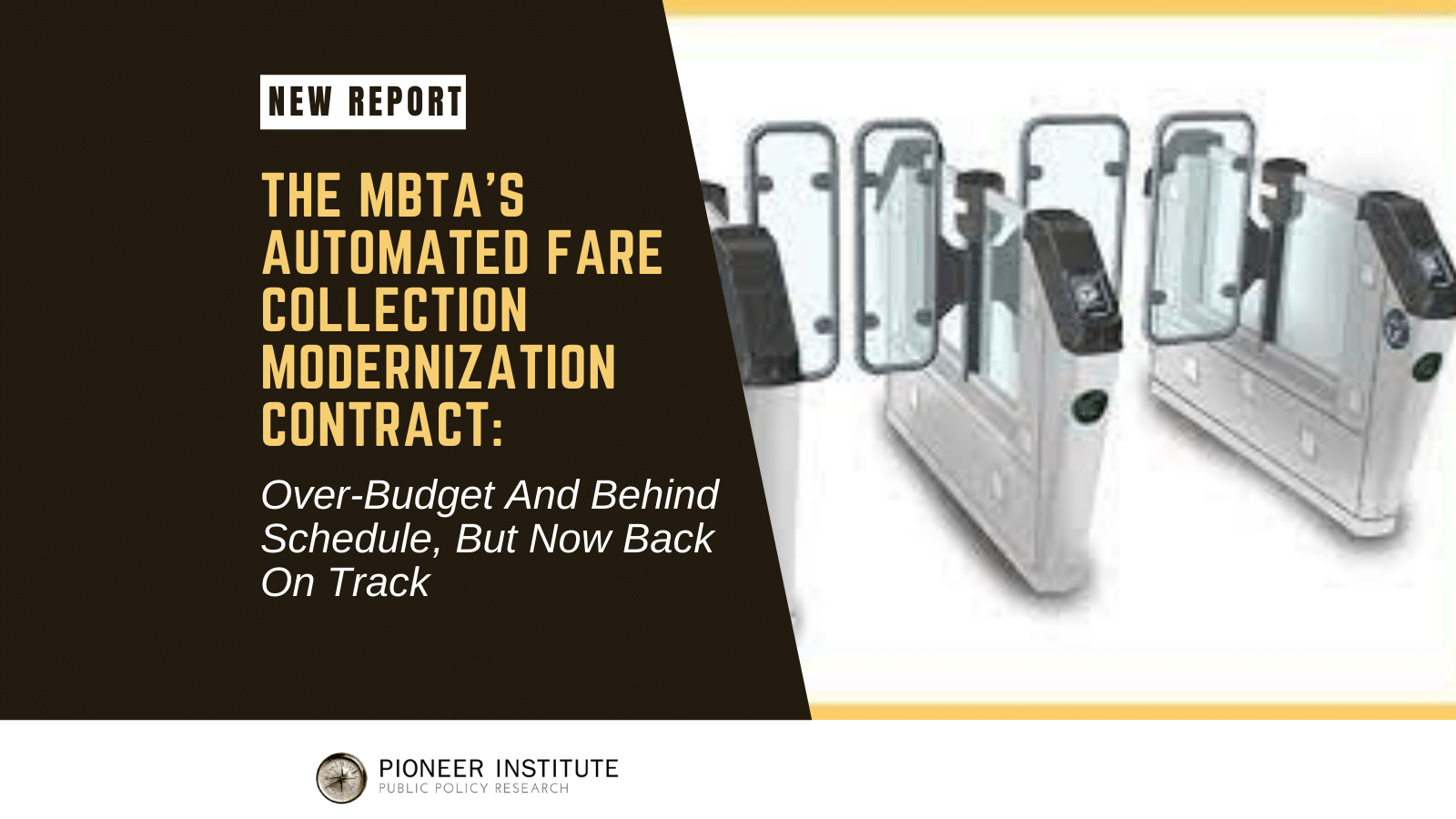
Study Documents The Design Challenges, Contracting Issues, And Delays Facing New MBTA Fare Collection System
Study Finds Bus Rapid Transit Can Offer Cost-Effective Benefits
Study Raises Concern That Annual T Fare Evasion Costs Could Rise By More Than $30 Million Under AFC 2.0
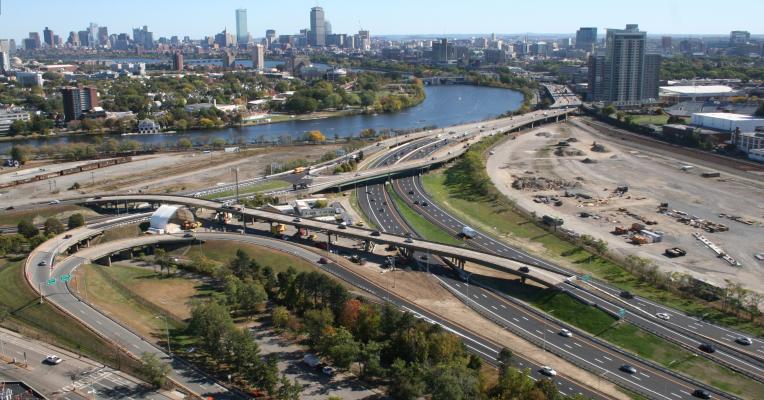
Pioneer Applauds MassDOT for Allston Project All At-Grade Plan
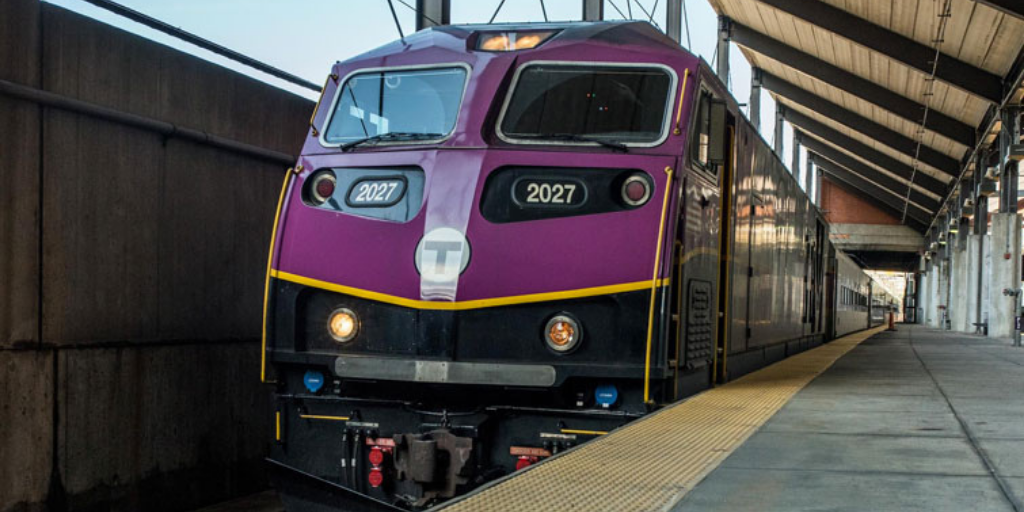
Open Letter: Extend the Term of the MBTA’s Fiscal and Management Control Board

Pioneer Institute Statement on MBTA Service Cuts
COVID-19 Silver Lining: MBTA Takes Advantage of Ridership Lull to Accelerate $8.5 Billion Modernization Program

Survey Suggests Demand for Telecommuting After COVID-19 Crisis
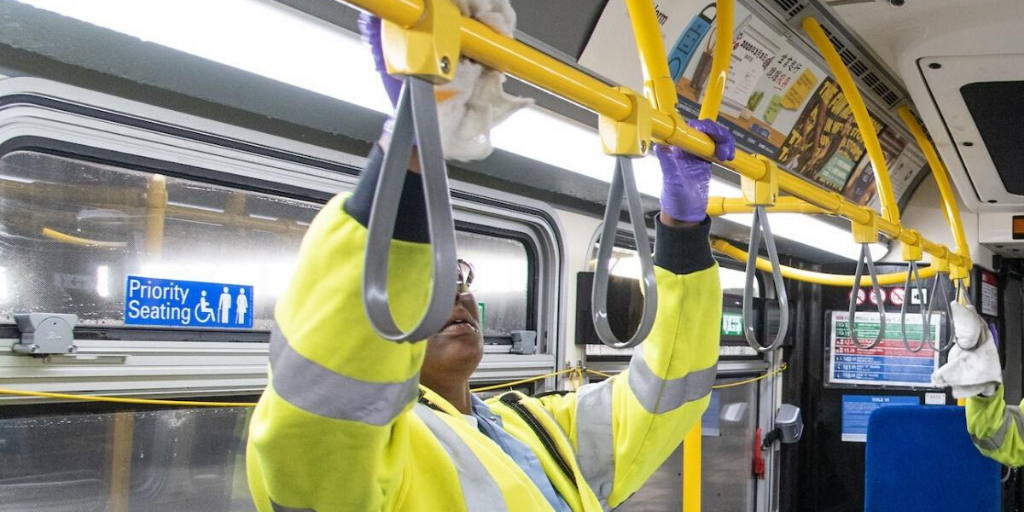
Study Highlights Transit Agency Best Practices in Response to COVID-19

A Control Board Equipped for the Next Phase of MBTA Reform
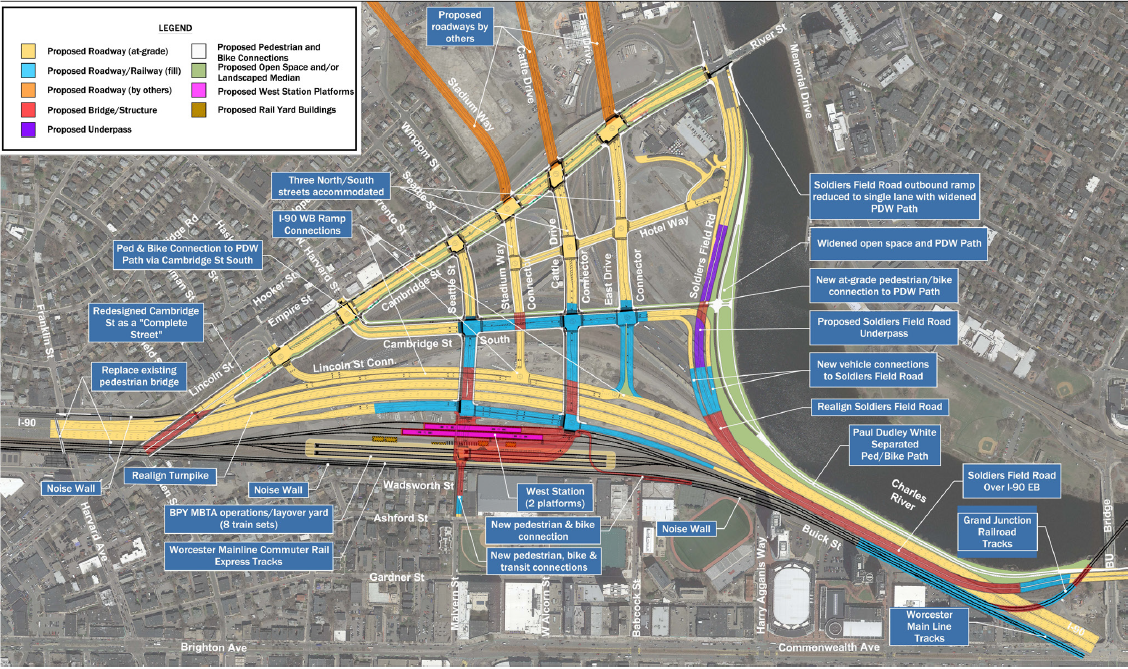
Pioneer Urges MassDOT to Reconsider At-Grade Throat Option for I-90 Allston Multimodal Project

Study Finds Revived Merit Rating Board Taking Steps to Carry Out Statutorily Mandated Duties

Study Proposes “Marshall Plan” for Attracting and Retaining Talent Needed to Modernize the MBTA

Pioneer Institute Announces Winner of 29th Annual Better Government Competition