

Pioneer has long played a prominent role in debates about how to improve area transit services. In 2015, we provided thought leadership on various governance models including the concept of a “receivership-lite” control board to oversee and implement needed reforms in a truncated time period. We continue to provide timely input, as is the role of a think tank committed to improving the quality of life in Massachusetts. Make no mistake about it – with the right leadership and management processes, the MBTA can provide the kind of services we all yearn for.
Today, we are submitting comments on the strategic plan that call for more focused and explicit priorities, including safety, cost effectiveness, and a measurable goal related to increasing ridership. Pioneer’s public comment provides a series of suggestions for operational, communications, workforce and fiscal (including pension) reforms.
As the FMCB considers a post-control board governance structure for the MBTA, Pioneer urges the FMCB to seek a statutory framework that:
- Sets performance benchmarks to determine the appropriate end point for the control board structure. That is how the hand-off from the City of Springfield’s Finance Control Board to municipal control worked. And it is worth underscoring that the Patrick administration, seeing that key goals had not been met, did not hesitate to extend the FCB’s term.
- Proposes, as a follow-on to the FMCB structure, a board focused solely on the MBTA, with some of the enhanced powers available to the FMCB.
- Has the state assume a portion of the MBTA’s $5.2 billion in outstanding debt.
- Considers a partnership with MassPort to operate expanded ferry service, as well as the possible benefits of spinning off commuter rail as a separate authority.
- Substitutes the binding arbitration system utilized by Massachusetts police and fire department employees for the MBTA’s current binding arbitration system. The police and fire arbitration method offers the greatest employee protections of any interest arbitration system except for the one used at the T.
Oops! We could not locate your form.

Shaka Mitchell on the American Federation for Children & School Choice Options

We Have a Long Way to Go for Massachusetts Residents to Have the Government Transparency We Deserve

Study Finds Pension Obligation Bonds Could Worsen T Retirement Fund’s Financial Woes
Study Documents The Design Challenges, Contracting Issues, And Delays Facing New MBTA Fare Collection System
Study Finds Bus Rapid Transit Can Offer Cost-Effective Benefits
Study Raises Concern That Annual T Fare Evasion Costs Could Rise By More Than $30 Million Under AFC 2.0

Pioneer Applauds MassDOT for Allston Project All At-Grade Plan
Open Letter: Extend the Term of the MBTA’s Fiscal and Management Control Board

Pioneer Institute Statement on MBTA Service Cuts

COVID-19 Silver Lining: MBTA Takes Advantage of Ridership Lull to Accelerate $8.5 Billion Modernization Program

Survey Suggests Demand for Telecommuting After COVID-19 Crisis
Study Highlights Transit Agency Best Practices in Response to COVID-19

A Control Board Equipped for the Next Phase of MBTA Reform
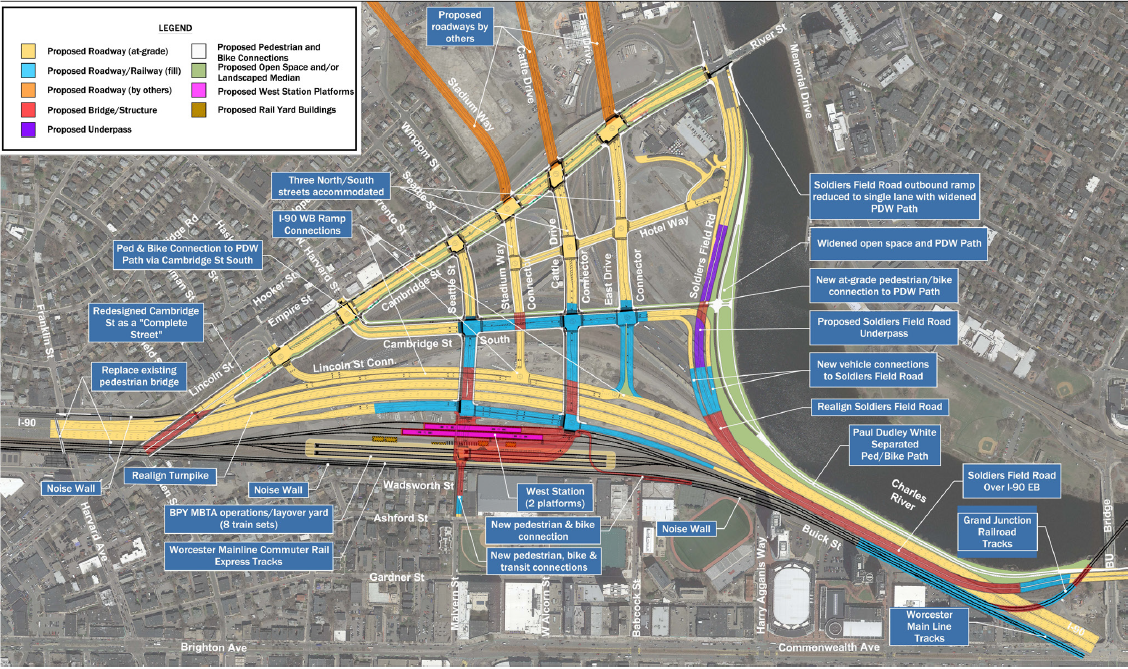
Pioneer Urges MassDOT to Reconsider At-Grade Throat Option for I-90 Allston Multimodal Project

Study Finds Revived Merit Rating Board Taking Steps to Carry Out Statutorily Mandated Duties

Study Proposes “Marshall Plan” for Attracting and Retaining Talent Needed to Modernize the MBTA

Pioneer Institute Announces Winner of 29th Annual Better Government Competition